



Hot vs. Cold Herbal Infusions: What’s the Difference?
Making an herbal infusion is one of the simplest ways to bring herbs into your everyday life. But depending on the herb you’re using—and what you want from it—you may choose to prepare it hot or cold.
Both methods use water to extract the naturally occurring constituents of the plant. The biggest difference is temperature and time.
Hot Herbal Infusions
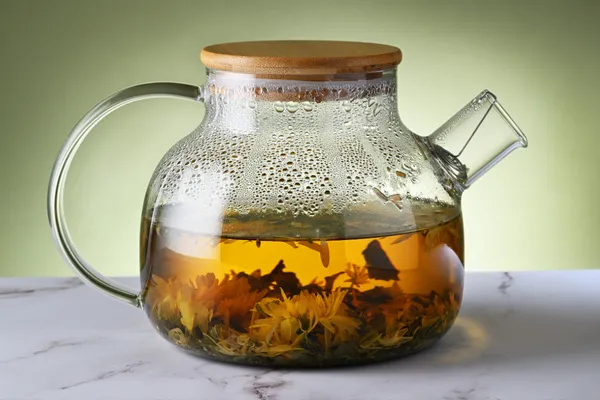
A hot infusion is probably what you picture when you think of making tea: herbs are covered with hot water and allowed to steep.
Hot water works well for many leaves, flowers, and aromatic herbs and generally creates a stronger extraction in a shorter amount of time.
Simple method:
Pour hot water over your herbs, cover, and steep for about 10–20 minutes. For nourishing herbs such as nettle or oatstraw, you can steep longer for a richer infusion.
Hot infusions are wonderful when you want something warming, comforting, and ready to enjoy relatively quickly.
Cold Herbal Infusions
A cold infusion uses cool or room-temperature water and a longer steeping time.
This gentler method is especially useful for herbs containing mucilage, a soothing, slippery plant constituent found in herbs such as marshmallow root. Also if you’re seeking to extract mineral rich herbs, this can take time and cold infusions are encouraged. This infusion can also be used when your energetic disposition needs to be cooled down. It is a refreshing and simple evening routine to prepare nourishing herbal blends when you prefer to drink them chilled.
Simple method:
Add your herbs to cool water, cover, and allow them to infuse for several hours or overnight—often around 8–12 hours. Strain and refrigerate.
So, Which Should You Choose?
Neither method is necessarily “better.” It depends on the herb, the plant constituents you’re hoping to extract, and how you enjoy drinking your herbs.
🌿 Hot infusion: quicker, warming, and ideal for many everyday herbal teas.
🌿 Cold infusion: slower and gentler, especially useful for mucilaginous herbs, when you want to extract specific minerals or a simpler overnight preparation routine.
Learning how different preparation methods work is part of getting to know your herbs. Sometimes something as simple as changing the temperature of your water can change what you experience in your cup.